
Main Courses
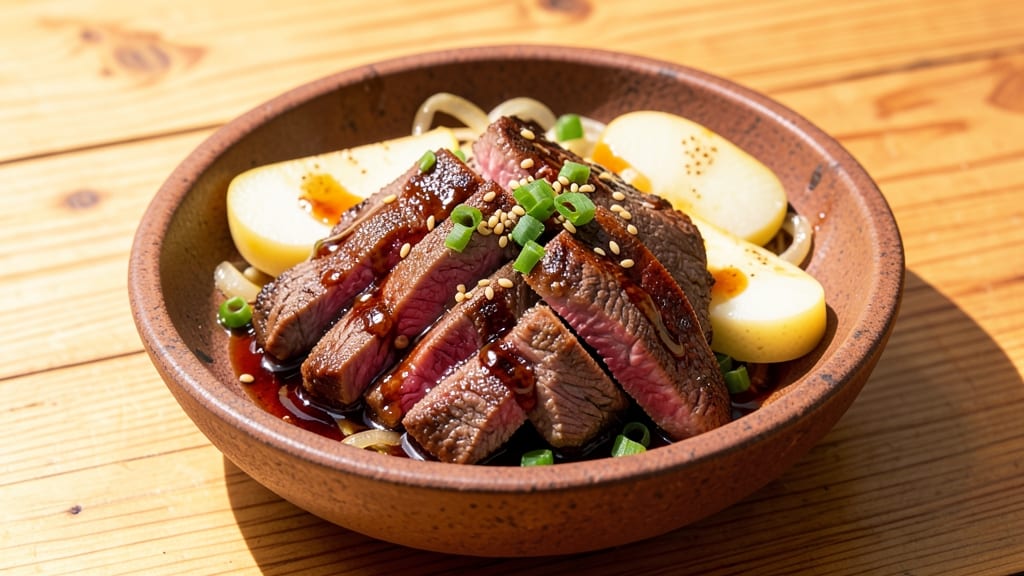
This authentic Korean beef recipe delivers the rich, caramelized flavors of galbi—marinated ribeye slow-cooked until tender with silky onions and a sweet-spicy glaze. 🔥 The secret lies in traditional techniques: thinly sliced beef marinated overnight in a blend of soy, pear, and sesame, then braised to perfection.
Every bite captures the balance of Korean home cooking—deep umami, subtle sweetness, and a touch of heat that lingers. What sets this apart is the two-stage cooking process: first, a quick sear to lock in juices, then a slow braise that transforms tough cuts into melt-in-your-mouth tenderness.
The onions, sliced paper-thin, soften into velvety strands while absorbing the sauce, creating a dish that’s both restaurant-worthy and deeply comforting. This isn’t just a recipe—it’s a taste of Korea’s culinary soul, simplified for home cooks.
The result is a silky, glossy braise with caramelized edges, where the beef falls apart at the touch of a fork and the onions dissolve into the sauce. Serve it over steamed rice, paired with kimchi and quick-pickled vegetables, for the full experience.
The aromas alone—smoky, sweet, and slightly spicy—will have your kitchen feeling like a Seoul pojangmacha (street tent). For authenticity, source Korean pear, doenjang (fermented soybean paste), and gochujang if possible, but don’t stress—this recipe adapts gracefully.
The key is patience: let the marinade work its magic overnight, and the slow cook transforms simple ingredients into something extraordinary. Ready to make it?
Ingredients for authentic korean beef
Authentic Korean flavors start with these carefully selected ingredients—each playing a crucial role in the dish's signature sweet-spicy balance.
| Ingredient | Amount | Notes |
|---|---|---|
| Ribeye Steak 🥩 | 1 ½ lb | Thinly sliced against grain |
| Yellow Onions 🧅 | 2 large | Paper-thinly sliced for silky texture |
| Korean Pear 🍐 | 1 medium | Peeled and grated for sweetness |
| Doenjang (Fermented Soybean Paste) 🥫 | ½ cup | Authentic Korean fermented soybean |
| Gochujang (Korean Chili Paste) 🌶️ | 2 tbsp | For authentic spicy depth |
| Sesame Oil 🫒 | 2 tbsp | Toasted for nutty aroma |
| Soy Sauce 🥫 | ½ cup | Korean preferred for balance |
| Rice Vinegar 🍶 | 2 tbsp | For tangy brightness |
| Brown Sugar 🍚 | ¼ cup | Lightly packed for caramelization |
| Garlic Cloves 🧄 | 6 cloves | Minced for aromatic base |
| Fresh Ginger 🌿 | 1 inch | Julienned for zesty kick |
| Vegetable Oil 🫒 | 2 tbsp | High smoke point for searing |
| Sesame Seeds 🌾 | 1 tbsp | Toasted for garnish |
| Salt 🧂 | 1 tsp | Kosher preferred for balance |
| Black Pepper 🌶️ | ½ tsp | Freshly cracked for heat |
The ribeye is non-negotiable here—thinly sliced against the grain for maximum tenderness. Ask your butcher to cut it paper-thin, or use a sharp knife and freeze it briefly for easier slicing. For onions, yellow or pearl onions work best, and the key is slicing them paper-thin with a mandoline or sharp knife. Korean pears are ideal for their natural sweetness, but substitute Asian pear or even apple if unavailable. The doenjang and gochujang are the soul of this dish—look for authentic brands at Korean markets or specialty stores, but even jarred versions work in a pinch. Toast your sesame oil gently in a dry pan before using to deepen its nutty flavor.
No Korean ingredients? Doenjang can be replaced with miso paste, though the flavor will differ slightly. Gochujang is trickier—substitute 1 tbsp sriracha plus 1 tsp honey for a close approximation. The sesame oil is essential for aroma, but toasted peanut oil works in a bind. For the marinade, measure your brown sugar lightly and pack it into the measuring cup—it should be about 4 oz packed. The garlic and ginger should be freshly minced; pre-minced versions lose their punch. If you can't find Korean soy sauce, Japanese or even regular soy sauce will do, though the flavor profile shifts slightly. The rice vinegar adds brightness—substitute apple cider vinegar if needed.
Marinated beef keeps up to 24 hours in the fridge, but the flavors peak after 12 hours. Slice the onions last-minute to prevent browning. The braised sauce thickens as it cools, so add a splash of water if it becomes too thick before serving. This dish reheats beautifully—simmer gently for 5-10 minutes on the stove to restore its silky texture. For meal prep, store components separately: beef in one container, sauce in another, and onions in a sealed bag. Reassemble and reheat when ready to serve.
Why You'll Love This Recipe
- One-Pan Magic: I swear by this recipe—just sear the ribeye, toss in sliced onions and that sweet Korean pear, then dump in the gochujang and doenjang. No flipping pans, no mess, and the flavors meld together like they’ve been friends for years.
- Umami Bomb: Between the deep, funky notes of doenjang and the smoky-sweet kick of gochujang, this dish is ridiculously flavorful. The pear adds this unexpected juicy contrast that cuts through the richness of the beef—trust me, it’s the secret weapon.
- Weeknight Hero: This isn’t just dinner—it’s my go-to for date nights, lazy Sundays, or when I’m too tired to think. Serve it over rice, wrap it in lettuce cups, or just eat it straight with chopsticks. (Yes, even on a Tuesday night.)
- Leftovers That Don’t Suck: Most beef dishes dry out or get boring after day two, but not this one. The sauce thickens just enough to stay luscious, and the pear keeps it bright. I’ve reheated mine for breakfast burritos, and nobody batted an eye.
Step-by-step instructions for authentic Korean beef braise
Master this traditional technique for tender, sweet-spicy beef with melt-in-your-mouth onions.
🔪 Step 1: Prepare the Beef and Aromatics with Precision
First, slice the 1.5 lb ribeye steak thinly against the grain using a sharp knife—aim for ¼-inch thick slices. The grain direction will be visible as you cut, and slicing against it ensures maximum tenderness. Place the sliced beef in a bowl and set aside.
Next, peel and grate the 1 medium Korean pear using a box grater or food processor. The natural sweetness of the pear balances the savory-sweet sauce perfectly. For the onions, use a mandoline or sharp knife to slice 2 large yellow onions paper-thin—this creates that signature silky texture that distinguishes this dish. Finely mince the 6 cloves garlic and julienne the 1 inch fresh ginger into matchsticks for even distribution of flavor.
🍳 Step 2: Build the Sweet-Spicy Sauce Foundation
In a large Dutch oven or heavy pot, heat 2 tbsp vegetable oil over medium-high heat until shimmering. Add the sliced beef in a single layer and sear undisturbed for 2 minutes until deeply browned on one side. Flip and sear the other side for another 2 minutes, then remove the beef and set aside.
In the same pot, reduce heat to medium and add 2 tbsp sesame oil, 0.5 cup doenjang, 2 tbsp gochujang, 0.5 cup soy sauce, 2 tbsp rice vinegar, and 0.25 cup brown sugar. Stir vigorously for 1 minute until the sugar begins to caramelize slightly—this creates depth of flavor. Add the minced garlic and julienned ginger, cooking for 30 seconds until fragrant but not browned.
🥘 Step 3: Combine and Simmer to Perfection
Return the seared beef to the pot along with the grated Korean pear and sliced yellow onions. Bring the mixture to a gentle simmer over medium-low heat, then reduce to low heat and cover partially. Let it cook for 45-50 minutes, stirring occasionally, until the beef is fork-tender and the sauce has thickened into a glossy, sweet-spicy glaze.
Here's the thing—you want the beef to absorb the sauce but not dry out. If the sauce reduces too quickly, add 2-3 tablespoons of water to maintain moisture. The onions should be silky and translucent, while the beef should pull apart easily with tongs. Taste and adjust seasoning with 1 tsp salt and 0.5 tsp black pepper if needed.
⏰ Step 4: Finish and Garnish for Authentic Flavor
Once the beef is tender, remove the pot from heat and let it sit for 5 minutes to allow the flavors to meld. Toast 1 tbsp sesame seeds in a dry skillet over medium heat for 1-2 minutes until golden and fragrant—this adds nutty aroma and visual appeal.
Before serving, stir the sesame seeds into the beef mixture and give it one final taste. The dish should balance sweet, spicy, savory, and umami notes perfectly. Serve immediately over steamed rice, garnished with additional sesame seeds and a drizzle of toasted sesame oil for that authentic restaurant finish.
Pro Tips For Making Authentic Korean Beef
- SEAR THE STEAK FIRST: Hit the ribeye with a screaming-hot pan—no oil needed, just let the fat render for 2-3 minutes before adding anything else. I used to rush this step and wondered why my sauce never stuck to the meat properly. The crust from that initial sear is what anchors the doenjang and gochujang later.
- GRATE THE KOREAN PEAR: Skip the chunks—finely grate the pear (skin on, if you’re feeling fancy) and let it sit in the sauce for 10 minutes before serving. The texture turns silky, and it soaks up the umami like a sponge. (Yes, even if you’re impatient like me, resist the urge to skip this.)
- DON’T BOIL THE DOENJANG: Simmer the sauce on low heat—never let it bubble, or you’ll kill the fermented depth of the doenjang. I learned this the hard way after a batch tasted flat and bitter. A gentle simmer (3-4 minutes max) keeps the paste’s complexity alive.
- SAVE TIME WITH ONION PREP: Thinly slice the yellow onion lengthwise (like matchsticks) and blanch in boiling water for 30 seconds first. This softens them instantly and cuts down on cooking time later—no more waiting for them to caramelize while the steak gets cold. (Your future self will thank you.)
Pro cooking tips for great authentic korean beef
Marinade Mastery
The overnight marinade transforms tough beef into tender, flavorful slices. Combine 0.5 cup doenjang, 2 tbsp gochujang, 0.5 cup soy sauce, 2 tbsp rice vinegar, 0.25 cup brown sugar, 6 minced garlic cloves, and 1 inch julienned ginger in a bowl.
Add the sliced beef and refrigerate for at least 12 hours—I often do 24 hours for maximum tenderness. The pear and sesame oil should be added fresh during cooking, not in the marinade, to preserve their delicate textures. 🍐
Two-Stage Cooking
This dish requires a sear-braise technique for perfect results. First, sear the marinated beef in 2 tbsp vegetable oil over medium-high heat for 2 minutes per side to lock in juices. Then, reduce heat to low and braise with onions and pear for 45-50 minutes until the beef is fork-tender.
The onions should soften into silky strands while absorbing the sauce. Never skip the sear—it builds flavor depth through the Maillard reaction. 🔥
Onion Texture Secrets
Paper-thin onion slices are the signature of this dish. Use a mandoline slicer set to 1/16-inch thickness for perfect results. Soak the sliced onions in ice water for 10 minutes before cooking to prevent premature browning.
When braising, add them in the final 15 minutes of cooking so they stay silky rather than mushy. The onions should be translucent and tender but still hold their shape slightly. 🧅
Sauce Balance
The sauce should coat the beef like glossy syrup. If it reduces too quickly, add 2 tbsp water to maintain moisture. Taste and adjust seasoning with 1 tsp salt and 0.5 tsp black pepper before serving.
The perfect balance should have sweet (pear), spicy (gochujang), savory (soy sauce), and umami (doenjang) flavors working together. I like to finish with a drizzle of toasted sesame oil for extra aroma. ✨
Equipment Essentials
A Dutch oven is ideal for even heat distribution, but any heavy pot with a tight-fitting lid works. For slicing, a sharp chef's knife or mandoline slicer is essential. I recommend Lodge cast iron for its heat retention, but All-Clad stainless steel is a great alternative.
Don't use nonstick—it can't handle the high heat needed for proper searing. 🍳
Make-Ahead Tips
This dish reheats beautifully for meal prep. Store components separately: beef in one container, sauce in another, and onions in a sealed bag. Reheat gently on the stove over low heat for 5-10 minutes with a splash of water to restore moisture.
The flavors actually improve after resting overnight, making it perfect for leftovers. For best results, reheat just before serving to maintain that silky texture. ⏰
Nutrition facts
Frequently asked questions
Can I use a different cut of beef instead of ribeye?
Yes! While ribeye delivers the best marbling for flavor, you can substitute with sirloin or flank steak—just slice them extra thin against the grain. For leaner cuts like chuck roast, increase marinating time to 24-48 hours and add 1 tbsp cornstarch to the sauce to help tenderize. Avoid tenderloin—it's too delicate and will turn mushy.
What's the deal with Korean pear? Can I substitute?
The pear adds natural sweetness that balances the sauce perfectly. If unavailable, try Asian pear or apple (peeled and grated). For a non-fruit option, add 1 tbsp honey or 2 tbsp apple juice to the marinade. Avoid pineapple—its acidity will break down the beef's texture.
Why does my beef turn out tough instead of tender?
This usually happens from one of three issues: not slicing against the grain (cut perpendicular to muscle fibers), overcooking (beef should be fork-tender, not dry), or skipping the sear (the Maillard reaction creates flavor and moisture seals). For extra insurance, pound the beef slices lightly before marinating to break down fibers.
Can I make this in an Instant Pot or slow cooker?
For the Instant Pot: Sear beef first, then add all ingredients and pressure cook for 20 minutes on high. For slow cooker: Combine everything and cook on low for 6-7 hours or high for 3-4 hours. The texture will be slightly different (more saucy), but the flavors remain authentic. Just add onions 15 minutes before serving to preserve their silky texture.
How do I adjust the spice level?
Start by reducing the gochujang to 1 tbsp for mild heat. For extra spice, add ½ tsp red pepper flakes or 1 tsp gochugaru (Korean red pepper flakes) at the end. If you love heat, mix in 1 tbsp of chili crisp or 1 tsp of chili oil when serving. Always taste as you go—Korean flavors build gradually!