
Soups & Stews
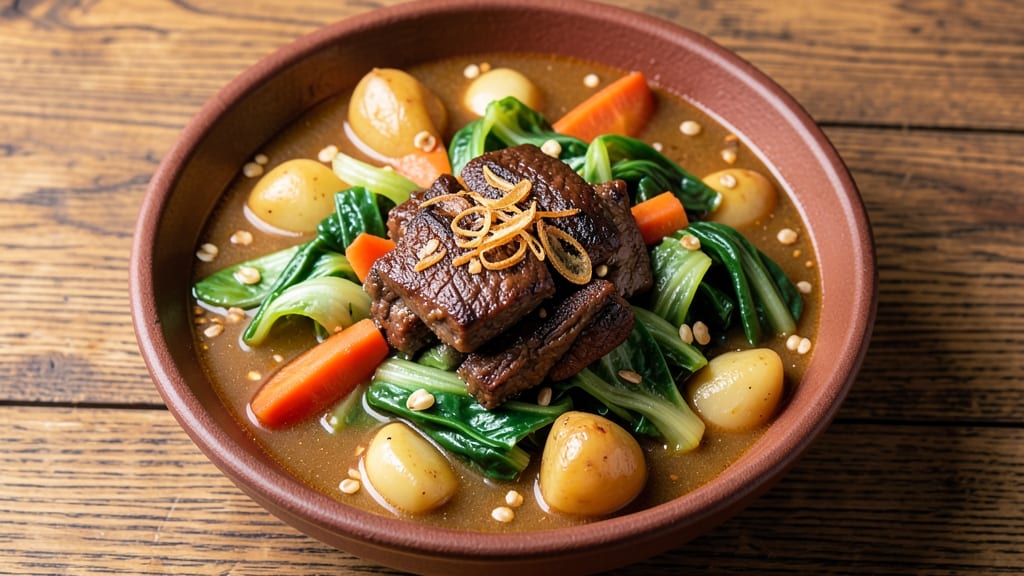
This beef and cabbage soup recipe with potatoes delivers the kind of comforting, one-pot meal that transforms a chilly evening into a warm, satisfying experience. The secret lies in slow-simmered beef that melts into tender shreds, while cabbage and potatoes absorb the rich, savory broth until they're perfectly soft yet still hold their shape. I developed this recipe during a particularly cold winter when I needed something hearty enough to feed a family but simple enough to make without fuss.
The beauty of this soup is its balance—substantial enough to stand alone but flexible enough to adapt to what you have on hand. A well-built broth forms the foundation, with carrots and onions adding natural sweetness that deepens as they simmer.
The beef, cut into manageable chunks, breaks down beautifully, infusing the soup with deep, meaty flavor that pairs perfectly with the cabbage's slight bitterness and the potatoes' creamy texture.
By the time you're done, you'll have a steaming pot of soup that smells like home—rich, aromatic, and packed with layers of flavor. Each spoonful delivers tender beef, tender vegetables, and a broth that's just the right balance of savory and comforting.
The best part? It all comes together in a single pot with minimal cleanup, making it the perfect solution for busy weeknights or cozy weekends.
Serve with crusty bread for soaking up every last drop, or pair it with a simple green salad for a complete meal. The leftovers reheat beautifully, too, so you'll have dinner covered for days. Let's get started with this hearty, one-pot wonder.
Ingredients for beef and cabbage soup recipe with potatoes
Pantry staples plus a few fresh ingredients for a soup that tastes like home.
| Ingredient | Amount | Notes |
|---|---|---|
| Chuck Roast 🥩 | 2 lb | Cut into 1.5-inch chunks |
| Green Cabbage 🧅 | 1 small | Cored, cut into wedges |
| Yellow Onion 🧅 | 1 whole | Diced, medium size |
| Carrots 🥕 | 4 medium | Peeled, cut into chunks |
| Russet Potatoes 🥔 | 2 lb | Peeled, cut into chunks |
| Garlic Cloves 🧄 | 4 cloves | Minced for depth |
| Beef Broth 💧 | 6 cups | Low-sodium preferred |
| Tomato Paste 🍅 | 2 tbsp | For richness |
| Apple Cider Vinegar 🍎 | 1 tbsp | Brightens flavors |
| Dried Thyme 🌿 | 1 tsp | Or 1 tbsp fresh |
| Bay Leaves 🍃 | 2 whole | Remove before serving |
| Salt 🧂 | 1 ½ tsp | Adjust to taste |
| Black Pepper 🌶️ | ½ tsp | Freshly ground |
| Olive Oil 🫒 | 2 tbsp | For searing |
The beef is the star here. Chuck roast breaks down beautifully into tender shreds—sirloin or flank steak won't give you the same texture. Grab it from the butcher section if possible, or use the pre-cut chunks at Costco or Walmart. Look for good marbling, not lean cuts. Potatoes? Russets hold up best to long simmering—they won't turn mushy like waxy varieties. The cabbage should be firm with crisp leaves, not wilted or yellowing. Green or red both work, but green has a slightly milder flavor.
No beef broth? Chicken or vegetable broth with 1 tbsp soy sauce gets you close. Short on thyme? Dried oregano at half the amount works in a pinch. The tomato paste can be swapped for 1 cup crushed tomatoes if you prefer. Vinegar? Lemon juice or even a splash of wine will brighten things up. Carrots can be baby carrots if that's what you've got—just adjust the amount to keep it roughly 4 medium-sized. The bay leaves are non-negotiable for that classic soup flavor, but if you hate them, skip them entirely.
This soup only gets better with time—2-3 days in the fridge lets all the flavors meld perfectly. Freezes beautifully for up to 3 months, so make a big batch. I like to portion it into containers with a little broth on top to prevent a freezer burn. Reheat gently on the stove with a splash of water or broth to loosen it up. The bread? Crusty sourdough or a good baguette soaks up every last drop—don't use soft bread or it'll turn to mush.
Why You'll Love This Recipe
- One-Pot Magic: I swear by this—just dump everything in one pot and let it simmer. No chopping like a fine-dining chef, no measuring cups stressing me out. The chuck roast practically falls apart on its own, and the potatoes soak up all that rich broth like sponges.
- Cabbage Crunch Factor: Between us, the cabbage is the star. It starts tender but holds that perfect bite, especially when you let it wilt just right. Plus, the onions caramelize into something sweet and deep—like a hug in a bowl.
- Meal Prep MVP: Honestly, this soup tastes better the next day. I make a big batch on Sundays, and by Wednesday, it’s the only thing keeping me sane. The potatoes stay firm, the beef gets even more tender, and I just reheat portions straight from the fridge.
- Budget Beef Boost: A single chuck roast feeds my family of four for days. The cabbage and carrots stretch that meat into meals, and the potatoes add heartiness without breaking the bank. My grocery bill thanks me every time.
Step-by-step instructions for beef and cabbage soup with potatoes
This hearty soup comes together in one pot with rich flavors that develop beautifully over time.
Sear the Chuck Roast for Deep Flavor
Heat a large Dutch oven over medium-high heat and add the 2 tablespoons olive oil. Once the oil shimmers, add the 2 lb chuck roast cut into 1.5-inch chunks, working in batches if needed. Let the meat sear undisturbed for 3-4 minutes per side until deeply browned—this creates a rich foundation for the soup. You'll smell that wonderful Maillard reaction happening, and the meat should release easily from the pot.
As each batch sears, transfer the browned meat to a plate. Once all the meat is seared, reduce the heat to medium and add the 1 whole yellow onion and 4 medium carrots, both cut into chunks. Cook for 5 minutes until the vegetables begin to soften slightly and take on color. This step builds layers of flavor that will infuse the entire soup.
Build the Soup Base with Aromatics
Add the 4 cloves minced garlic and stir for 30 seconds until fragrant—don't let it burn. Then stir in the 2 tablespoons tomato paste and cook for 1 minute to deepen its flavor. Pour in the 1 tablespoon apple cider vinegar and let it bubble for 30 seconds, brightening the base with a touch of acidity.
Sprinkle in the 1 teaspoon dried thyme and 1.5 teaspoons salt, stirring to coat everything evenly. Add the 2 whole bay leaves and pour in the 6 cups beef broth. Bring the mixture to a gentle boil, then reduce heat to low, cover partially, and let it simmer for 15 minutes. This initial simmer helps extract flavors from the meat and vegetables before adding the remaining ingredients.
Add Potatoes and Simmer Until Tender
Add the 2 lb russet potatoes, cut into chunks, to the pot. Stir gently to submerge them in the broth. Return the seared chuck roast to the pot, along with any accumulated juices from the plate. Bring the soup back to a gentle simmer, then cover and cook for 45-50 minutes on low heat, stirring occasionally. The potatoes should be tender when pierced with a fork, and the meat should be fork-tender but not falling apart.
Here's the thing—this is where patience pays off. The longer the soup simmers, the deeper the flavors become. If the liquid reduces too much before the potatoes are tender, add ½ cup water to maintain the right consistency. The soup should be thick but still spoonable, with the meat falling apart easily when tested with a fork.
Finish with Cabbage and Season to Taste
Add the 1 small green cabbage, cored and cut into wedges, to the pot. Stir gently to distribute the cabbage evenly. Increase heat to medium and simmer uncovered for 20-25 minutes until the cabbage is tender but still holds its shape. The cabbage should soften enough to pierce easily with a fork, but you don't want it to turn mushy.
Remove the 2 whole bay leaves before serving. Taste the soup and adjust seasoning with additional salt or ½ teaspoon black pepper if needed. The soup should be rich, savory, and slightly tangy from the vinegar, with the cabbage adding a touch of freshness. Let it sit for 5 minutes off the heat before serving to allow flavors to meld even more.
Serve Warm with Crusty Bread
Ladle the soup into bowls, making sure each serving gets a generous portion of meat, potatoes, and cabbage. The soup should be hearty enough to stand alone but still leave room for a slice of crusty bread on the side. The flavors should be balanced—rich from the beef, earthy from the vegetables, and brightened by the vinegar and thyme.
This soup tastes even better the next day as the flavors continue to develop. Store leftovers in an airtight container in the refrigerator for up to 4 days, or freeze for 3 months. The one-pot method makes it easy to reheat—just warm over medium-low heat until bubbling, stirring occasionally to prevent sticking.
Pro Tips For Making Beef And Cabbage Soup Recipe With Potatoes
- SEAR THE CHUCK ROAST FIRST: I learned this the hard way—skipping the sear means flavorless broth. Pat the chuck dry, then hit it with high heat in a Dutch oven for 3-4 minutes per side until deep brown. That crust locks in juices and builds depth that simmering alone can’t match.
- CHOP CABBAGE SMALLER THAN YOU THINK: Big cabbage chunks turn to mush while potatoes stay firm. Cut leaves into 1-inch pieces—smaller than a walnut—and slice the core into matchsticks. This ensures even cooking without soggy texture, especially if you’re adding potatoes later.
- ADD POTATOES LAST (OR RISK MUSH): I used to toss them in early, and they’d turn to glue. Instead, wait until the beef and cabbage have simmered 45 minutes, then add halved potatoes (skin-on for texture) and cook another 15-20 minutes. They’ll absorb flavor without falling apart.
- USE COLD WATER FOR THE BROTH: Hot water jumps to boiling and can scald the meat before it’s ready. Start with cold water—it’ll heat up faster and give the chuck time to tenderize properly. Add enough to cover everything by 1 inch, then bring to a gentle simmer. No need to babysit the pot.
Wine and beer pairings for beef and cabbage soup recipe with potatoes
Red Wine Classics
A robust red wine like Cabernet Sauvignon or Merlot complements this hearty soup beautifully. The bold tannins and dark fruit notes in a Napa Valley Cabernet or Oregon Pinot Noir stand up to the rich beef and earthy cabbage.
I reach for a medium-bodied red like Chianti when I want to highlight the tomato paste's acidity while balancing the soup's heartiness. 🍷
Crisp White Options
Don't overlook white wines—they can be just as perfect. A dry Riesling from Germany or a Sauvignon Blanc from New Zealand brings bright acidity that cuts through the soup's richness. The slight sweetness in Riesling also plays nicely with the cabbage's natural bitterness.
For something lighter, try a Chardonnay with minimal oak—it won't overpower the dish but adds a creamy texture that mirrors the potatoes. 🍷
Malty Beer Pairings
If you prefer beer, go for something malty and slightly sweet like an amber ale or brown ale. A Belgian Dubbel or American Amber Ale (try Fat Tire or Allagash) adds caramel and toasty notes that enhance the soup's depth.
For a darker option, a porter or stout (like Guinness) provides a rich, almost chocolatey contrast that pairs surprisingly well with the beef. 🍺
Cider for Cozy Vibes
Don't sleep on hard cider—it's a fantastic match for this soup. A dry, crisp cider like Angry Orchard or Woodchuck adds a refreshing acidity that cleanses your palate between spoonfuls. For something stronger, try a hard apple cider with a touch of spice, like Strongbow.
The apple notes in the cider echo the apple cider vinegar in the soup, creating a harmonious flavor connection. 🍎
Non-Alcoholic Sippers
If you're avoiding alcohol, a sparkling apple cider or ginger beer adds a refreshing lift. For something more substantial, try a chilled hibiscus tea (like Mexican Agua de Jamaica)—its tart, cranberry-like flavor complements the soup's savory notes.
A sparkling water with a squeeze of lemon is also a crisp, palate-cleansing choice that lets the soup's flavors shine. 🥤
Nutrition facts
Frequently asked questions
Can I substitute chicken or pork for the beef in this recipe?
While you can technically use chicken or pork, the flavor and texture will differ significantly. Chicken breasts will turn out too dry, while pork shoulder might not render enough fat for the rich broth. For best results, stick with chuck roast—it's affordable, flavorful, and breaks down beautifully into tender shreds. If you must substitute, use pork shoulder (not lean cuts) and add an extra ½ cup broth to compensate for fat differences.
How do I prevent the potatoes from turning mushy?
Mushy potatoes happen when they overcook in the broth. To avoid this, cut them into 1.5-inch chunks (not too small) and add them after the beef has simmered for 15 minutes. Keep the heat at low and stir occasionally. If the soup reduces too quickly, add ½ cup water to maintain moisture. Test doneness by piercing with a fork—they should be tender but still hold their shape.
Can I make this soup in an Instant Pot or slow cooker?
For an Instant Pot, sear the beef and vegetables first, then add broth and cook on high pressure for 30 minutes, followed by a 10-minute natural release. Add potatoes and cabbage afterward, cooking on high pressure for 5 minutes. In a slow cooker, combine all ingredients (except cabbage) on low for 6-7 hours or high for 3-4 hours, then stir in cabbage during the last 30 minutes of cooking.
Why does my soup taste bland after reheating?
Reheating can mute flavors because the broth separates and loses its depth. To fix this, stir in 1 tablespoon apple cider vinegar or lemon juice while reheating to brighten the broth. Add a pinch of salt and ½ teaspoon black pepper too. For extra richness, stir in 1 tablespoon butter or a splash of heavy cream at the end. Always reheat on medium-low heat to avoid overcooking the vegetables.
Can I freeze this soup for later?
Yes! Freeze the soup in airtight containers, leaving ½-inch headspace for expansion. Label with the date—it keeps for up to 3 months. To reheat, thaw overnight in the fridge, then warm on the stove with a splash of broth or water. For best texture, avoid refreezing. Pro tip: Freeze portions with a little broth on top to prevent freezer burn and keep the cabbage from turning limp.